
Electrical Work in Units and Rentals
Arrange North Lakes electrical work in a unit or rental with clearer ownership, access and quote boundaries, so the right people agree the job before it starts.
By Electrician North Lakes editorial team · Updated 30 September 2026
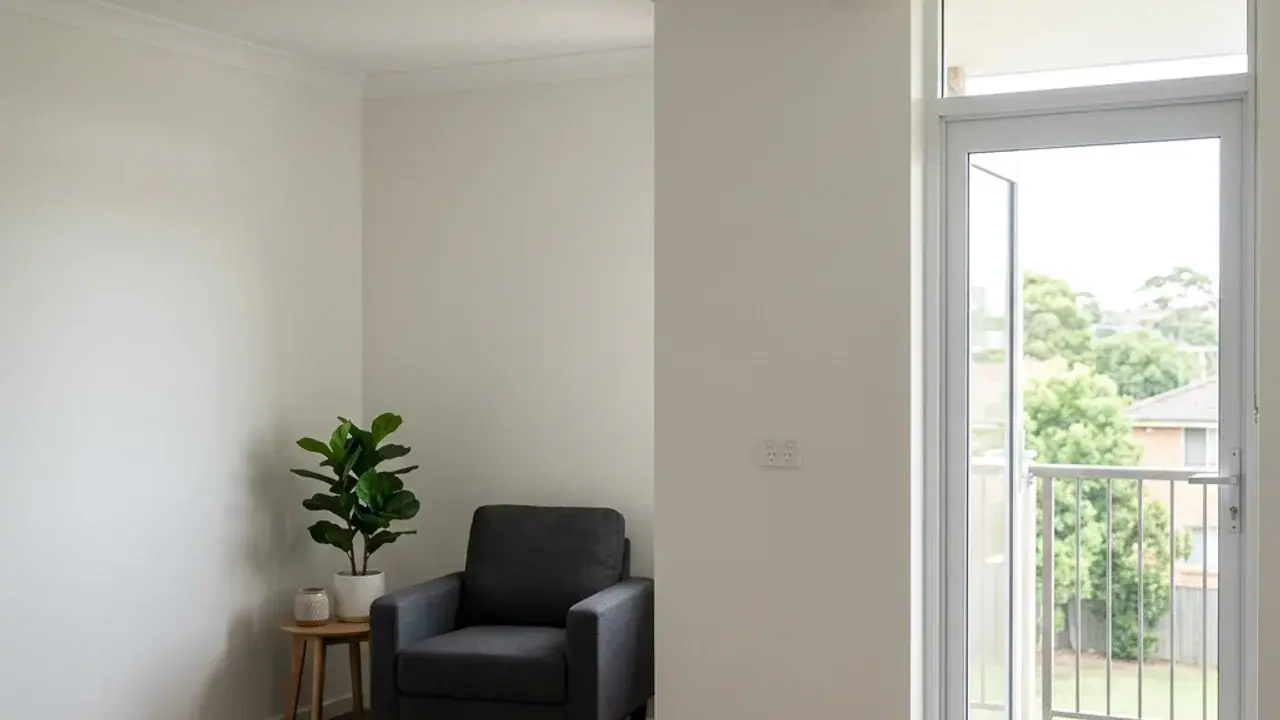
A broken outlet, an uncomfortable bedroom or an unreliable light can be straightforward to describe and surprisingly awkward to arrange in a unit or rental. The person living with the problem may not authorise the work, and the person paying may not control building access. A clear enquiry keeps those roles separate so the electrical job can move forward without avoidable confusion.
This guide covers planning and communication for North Lakes and nearby households. It does not decide a tenancy dispute or a body corporate’s liability. For the actual repair or installation, an independent licensed contractor confirms the scope and availability. Start with the relevant electrical service, then identify who needs to agree to the work and how the contractor can reach the affected area.
Describe the outcome before assigning the bill
There is a useful difference between reporting a fault and requesting an improvement. An outlet that has stopped working calls for an explanation of the symptom. A new outlet beside a desk is a proposed alteration. A ceiling fan that no longer operates may need investigation or replacement, while adding a fan to a room that has never had one introduces mounting and wiring decisions.
Keeping the description neutral helps the owner, manager and contractor understand the same request. You can say which room is affected and what happens without diagnosing a hidden fault or deciding who must pay. Our fault finding guide explains the diagnostic scope; the extra power point guide covers planned changes in a finished room.
For an immediate electrical danger, keep away and use the appropriate urgent route. Fire, serious injury or immediate danger requires 000, not a routine form enquiry. The planning advice here is for work that can be arranged safely, not permission to keep using visibly damaged equipment while an administrative question is resolved.
Shared property is not the same as everything outside the room
A unit’s electrical installation may involve both private and shared areas. Queensland Government guidance explains that utility infrastructure responsibility depends on matters including whom it supplies, where it is located and whether it is within a boundary structure. Its body corporate utility guidance sets out the general rules and exceptions. The location of a visible switch alone cannot settle that question.
That makes a building manager or body corporate contact useful when the job may involve shared infrastructure. They may hold plans, know which cupboard serves the lot or identify the process for arranging access. Their involvement does not replace the electrician’s assessment. Equally, an electrician attending a unit should not have to guess whether a requested alteration has been authorised by the appropriate person.
If responsibility is disputed, ask the relevant owner or manager to resolve it using the scheme documents and appropriate advice. A website enquiry is not a ruling. The useful practical outcome is an agreed instruction identifying what the contractor is being asked to inspect or change, who can approve a variation and who receives the quote.
Three contacts may be better than one assumed contact
For a managed property, the occupant may be best placed to describe the symptom, the property manager may coordinate approval, and a building representative may provide access. These can be different people. A short written scope lets each contribute the part they know without repeatedly passing along an incomplete version of the problem.
Avoid sharing unnecessary personal information about other residents. The contractor generally needs relevant job and access details, not an account of unrelated tenancy history. If photographs are requested, a room or fitting image should focus on the issue and avoid documents, people or other private material. Do not open covers or approach unsafe equipment to improve a photograph.
The quote comparison tool helps you prepare questions about scope, equipment supply and approval of extra work. Share the proposed work through the authorised property-management process or use the site’s contact form for an enquiry. It does not approve work, create a booking or establish that a particular contractor has accepted the job.
Access and finish belong in the quote
A quote can be technically clear and still leave practical gaps. Consider how the contractor reaches the property, whether a shared electrical cupboard is locked and whether any building arrangements affect the proposed time. State only arrangements that have actually been agreed. A hoped-for access window is not the same as a confirmed one.
Finished walls and ceilings introduce another boundary: who handles patching and painting after the electrical work? For a ceiling fan installation, that might involve an old light position or a new control. For power point work, a desired wall position may need a different cable route. The quote should distinguish electrical completion from decorative repair so the owner knows what remains.
When a contractor offers an alternative position or fitting, make sure the person authorised to approve the change is involved before it proceeds. This matters especially when an occupant prefers one result and the owner has approved another. A small clarification before work starts is easier than a disagreement over a completed alteration.
Coordinate related work without enlarging the job by accident
It can be sensible to mention other known electrical concerns at the same property. The contractor can say whether they belong in one visit or separate scopes. Keep required repairs distinct from optional improvements, and do not assume a combined enquiry means all items have been approved. An owner may authorise investigation of a fault while asking for a separate price for a new fan.
Smoke alarm work deserves its own clear scope and current-source check rather than being treated as an incidental addition. Our smoke alarm planning guide explains the property questions. Similarly, proposed switchboard work should explain which new project or identified defect it addresses.
Close the communication loop
After the visit, the useful record states what was inspected, what was completed and what remains. The occupant needs to know whether affected equipment can be used; the owner or manager needs the agreed job and any further proposal. Where another party must arrange access or approve extra work, name that next step clearly rather than describing the whole matter as finished.
Browse the Lawnton locality guide for its rental-housing context or all location guides for nearby areas. The same practical principle applies across property types: a clear problem, an authorised scope and workable access give the contractor a better starting point, while the household receives a result it understands.
Last updated: 30 September 2026.